
Call: 08045800273
 Send Inquiry
 Send Inquiry
Flares for Biogas &LandfillGas
Flares for Biogas &LandfillGas Specification
- Condition
- New
- Type
- Flares for Biogas & Landfill Gas
- Usage
- Gas Flaring / Waste Gas Combustion
- Structure
- Skid Mounted
- Pressure
- Low to Medium
- Style
- Vertical Cylindrical
- Material
- Stainless Steel
- Protection
- Flame Arrestor and Flashback Arrestor Equipped
- Emission Control
- Low NOx Emission
- Control Panel
- PLC Based
- Temperature Range
- -10°C to +60°C
- Installation
- Outdoor, With Weather Protection Cover
- Flare Tip
- Special Alloy, Wind-resistive Design
- Automation
- Automatic or Manual
- Stack Height
- Customizable (As per Site Requirement)
- Ignition System
- Pilot Burner with Auto Ignition
- Compliance
- Meets Local and International Environmental Standards
- Application
- Biogas Plants, Landfill Sites, Waste-to-Energy Facilities
- Capacity Range
- 100 Nm³/hr to 5000 Nm³/hr
About Flares for Biogas &LandfillGas
Flares for Biogas & Landfill Gas
Biogas Flaring systems and Landfill Gas Flares are installed at Landfills, Waste water facilities, Digesters etc. to dispose of waste gases such as Landfill gas (LFG), Biogas, Syn gas, Producer gas, Sewage gas and Agricultural or Industrial Digester gas that are formed due to the anaerobic decomposition of biomass and organic matter. Combustion Research Associates manufactures both Enclosed Ground Flares and Open and Elevated Flare stacks (Candlestick) to dispose off Biogas & Landfill gas. These waste gases generated from Solid and Liquid wastes primarily consist of Methane, Water Vapor, Carbon Dioxide, Hydrogen Sulfide (H2S), NMOCs and other gas emissions.
CRA flares prioritise safety and efficiency, and hence employ special flame arrestors, aspirate burners and high quality pilots. Our flaring systems can be custom designed to meet specific emission values for carbon credit projects etc.
Salient Features
- Available as an Enclosed Flare or as an Open and Elevated flare as per project requirement.
- Aspirator burner design allows for high efficiency
- Continuous or intermittent pilot function available
- Available in Guy wired & Self Supported Structures
- Easy to install modular design
- Approved by leading consultants
Advanced Emission Control Technology
Our flare systems integrate low NOx emission controls and feature special alloy flare tips to minimize environmental impact. Every unit meets both local and international emission standards, ensuring sustainable operation at various sites without compromising air quality.
Customizable & Intelligent Design
Built to adapt to specific site requirements, our flares come with customizable stack heights, wind-resistant design, and weather protection. The PLC-based control panel enables precise automated or manual operation, fostering dependable performance and safety across diverse industrial scenarios.
FAQs of Flares for Biogas &LandfillGas:
Q: How does the automatic ignition system in these flares operate?
A: The flares are equipped with a pilot burner and auto ignition mechanism that ensures reliable and safe ignition. The PLC control panel manages the process, activating the ignition sequence automatically when gas is detected, minimizing manual intervention and enhancing safety.Q: What materials are used in constructing the flare tip, and why?
A: The flare tip is made from a special alloy, chosen for its superior resistance to high temperatures, corrosion, and wear. This ensures long-term durability, consistent combustion efficiency, and reliable performance even under challenging operational conditions.Q: Where are these flares typically installed, and what applications do they serve?
A: These flares are primarily installed outdoors at biogas plants, landfill sites, and waste-to-energy facilities. They are used to combust waste biogas and landfill gas, contributing to safe gas disposal and compliance with environmental regulations.Q: What benefits does the wind-resistant and weather-protected design provide?
A: The wind-resistant structure and weather protection cover allow the flares to operate efficiently in outdoor environments, including exposed and challenging sites. This design maintains stable combustion, protects critical components, and extends service life under varying climatic conditions.Q: How do these flares help with emission compliance?
A: By incorporating advanced low NOx emission technology, these flares meet stringent environmental standards set locally and internationally. This assures operators of regulatory compliance, minimal air pollution, and a reduced carbon footprint during waste gas combustion.Q: What safety features are included in the flare systems?
A: Safety is a priority; each flare includes flame arrestors and flashback arrestors to prevent fire hazards. The PLC-based control panel further enhances operational safety by automating and monitoring critical combustion processes.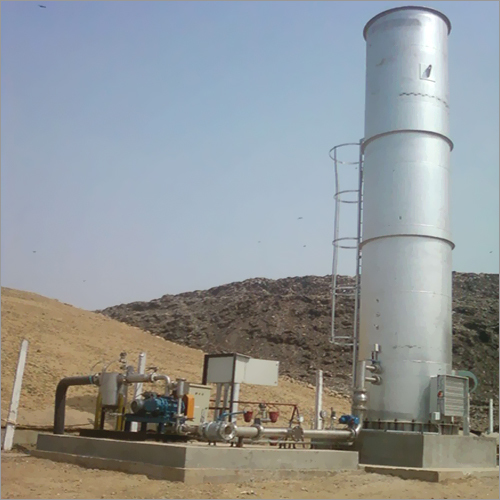
Tell us about your requirement

Price:
Quantity
Select Unit
- 50
- 100
- 200
- 250
- 500
- 1000+
Additional detail
Mobile number
Email


Contact Details
COMBUSTION RESEARCH ASSOCIATES
GST : 09ADFPA9876Q1ZN
- A-52, SECTOR-83, PHASE-II,Noida - 201305, Uttar Pradesh, India
- Phone :08045800273
 Send Inquiry
Developed and Managed by Infocom Network Private Limited.
